
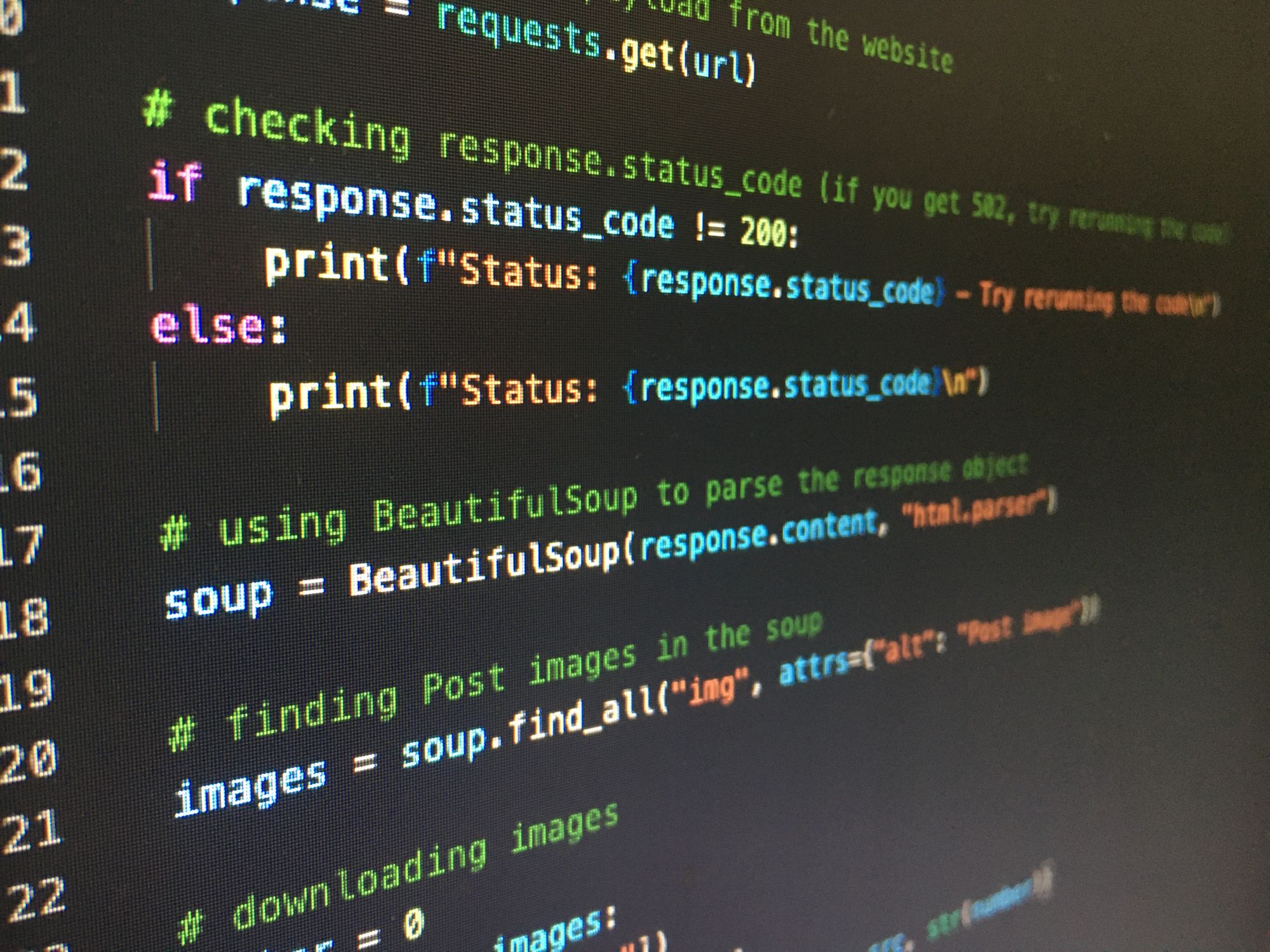

Unleashing the Power of Versatility and Simplicity in Programming
Python, an open-source, high-level programming language, has garnered immense popularity over the years, becoming a favorite among developers, data scientists, and educators alike. Guido van Rossum developed Python in the late 1980s, with the first official release in 1991. Since then, Python’s versatility, simplicity, and vibrant community support have propelled it to the forefront of the programming world. This essay explores the unique attributes that have made Python a dominant force in various industries, from web development to artificial intelligence.
- Versatility:
Python’s versatility is one of its most compelling features. The language offers extensive libraries and frameworks, making it suitable for a wide array of applications. Python’s adaptability extends to web development, scientific computing, data analysis, automation, machine learning, and much more. This versatility enables developers to work seamlessly across diverse domains without the need to switch programming languages, streamlining the development process and fostering efficiency.
- Simplicity and Readability:
Python’s syntax emphasizes readability and simplicity, making it accessible even to those new to programming. It’s clear and concise code promotes collaboration and code maintainability. The “Zen of Python,” a collection of aphorisms guiding Python’s design, emphasizes the importance of readability, fostering the creation of elegant, easy-to-understand code. This readability factor has attracted a large and diverse community, contributing to the wealth of open-source Python libraries and resources available.
- Large Ecosystem:
Python’s thriving ecosystem is another key factor behind its widespread adoption. The Python Package Index (PyPI) hosts a vast collection of third-party libraries and modules that cater to a wide range of needs. This extensive collection of libraries saves developers time and effort, as they can utilize pre-existing solutions for common problems. Whether it’s web frameworks like Django and Flask, data manipulation libraries like Pandas, or machine learning frameworks like TensorFlow and PyTorch, Python’s ecosystem has a solution for virtually any task.
- Data Science and Machine Learning:
Python’s dominance in the data science and machine learning communities cannot be understated. Libraries like NumPy, SciPy, and Matplotlib enable efficient numerical computations, data manipulation, and visualization, while libraries such as scikit-learn and Keras facilitate machine learning implementation. Python’s simplicity allows data scientists and researchers to focus on their domain expertise rather than getting bogged down by complex programming intricacies.
- Community Support and Resources:
Python boasts a vibrant and welcoming community that plays a pivotal role in the language’s growth. The Python community actively contributes to improving the language, creating new libraries, and supporting newcomers. Online forums, tutorials, and documentation are abundant, making it easier for developers to learn, troubleshoot, and share knowledge. The collaborative spirit of the Python community fosters an environment of learning and innovation.
Python’s rise to prominence is no coincidence; it stems from a combination of its versatility, simplicity, and the strong sense of community surrounding it. Its ability to adapt to various domains, from web development to machine learning, has earned Python a place as a top choice for developers worldwide. The elegant and readable syntax simplifies the programming process, while the vast ecosystem of libraries empowers developers to build sophisticated applications with ease. As technology continues to evolve, Python’s relevance will remain steadfast, as it continues to inspire innovation and enable programmers to tackle complex challenges with simplicity and efficiency. Python’s journey is far from over, and its role as a driving force in modern programming is set to endure for years to come.